Bolt Standards that Shape Industry Safety
Steel International is one of the leading Bolt Manufacturers in India, delivering high-quality fasteners trusted across multiple industries. A Bolt is a core component in mechanical and structural joining, designed to create strong and stable connections in wide-ranging applications. As industries continue to expand, demand is rising for precision-engineered fastening solutions from reliable producers.
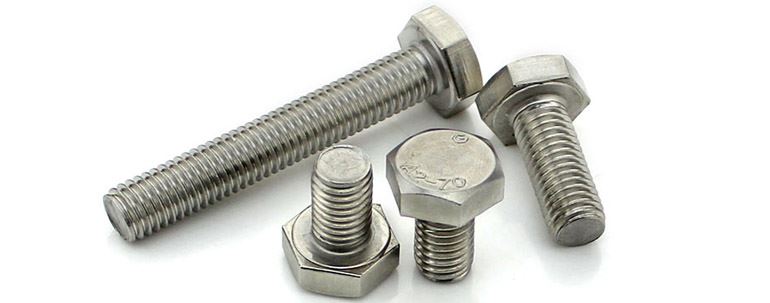
Understanding the Role of Bolts
A bolt is a threaded mechanical fastener used along with a nut to clamp multiple components together. Unlike screws, bolts rely on a nut to create tension and secure the connection. This makes them ideal for applications requiring strength, vibration resistance, and easy maintenance.
Available in various head shapes, thread types, and dimensions, bolts offer unmatched flexibility—fulfilling requirements in everything from lightweight structures to heavy-duty industrial machinery.
Different Types of Bolts Used Across Industries
- Hex Bolts – Essential for machinery, construction frameworks, and steel structures
- Carriage Bolts – Designed for wood applications, ensuring a smooth, tamper-resistant finish.
- Anchor Bolts – Used to secure machines, columns, and structures to concrete foundations.
- U-Bolts – Perfect for clamping pipes, exhausts, and round profiles.
Each category is engineered for different mechanical, environmental, and load-bearing requirements.
Materials That Define Bolt Performance
The choice of bolt material determines its durability and suitability for demanding applications:
- Carbon Steel: Preferred for general-purpose industrial use.
- Stainless Steel: Offers superior corrosion resistance in marine and outdoor environments.
- Alloy Steel : High tensile strength for heavy machinery and pressure systems.
- Brass & Copper: Ideal for electrical, low-magnetic, and decorative uses.
- Titanium : Lightweight, strong, and corrosion-resistant—ideal for aerospace and defense.
Where Bolts Are Used: Key Industrial Applications
- Construction & Infrastructure – Used in bridges, steel structures, frames, and foundation anchoring.
- Automotive Industry – Applied in engine systems, suspensions, braking, and structural assemblies.
- Aerospace Sector – Requires high-strength, lightweight bolts capable of withstanding extreme conditions.
- Oil, Gas & Petrochemical – Utilizes corrosion-resistant bolts for pipelines, refineries, and pressure equipment.
- Industrial Machinery – Essential in the assembly of production equipment, conveyors, and fabrication units.
Bolts ensure reliability and safety in environments where failure is not an option.
Standards and Grades That Ensure Bolt Quality
Bolts are made following global standards to ensure they perform well in every application. Metric grades like 4.6, 8.8, 10.9, and 12.9 show how strong and durable the bolt is. In the SAE system, grades 2, 5, and 8 are commonly used to indicate strength levels in machinery and automotive parts. Industry standards such as ASTM, DIN, and ISO help manufacturers maintain consistent quality. These grades and standards decide the bolt’s hardness, load-bearing capacity, and how safely it can handle stress in real-world conditions.
Why Bolts Remain a Critical Component in Modern Manufacturing
Bolts offer dependable strength, reusability, and the ability to handle high loads while maintaining joint integrity. Due to innovation in materials, coatings, and precision engineering, modern bolts deliver enhanced corrosion resistance, mechanical performance, and longevity. This growing demand highlights the importance of a trusted Bolt Supplier in India capable of supporting both small-scale and large-scale industrial needs.
Conclusion
Bolts may be small, but they play a massive role in global engineering and industrial development. Their strength, versatility, and reliability make them essential fasteners for construction, automotive, aerospace, oil & gas, and machinery. With industries demanding higher performance and safety, bolts continue to maintain their place as vital components in every major project—strengthening structures, securing machinery, and supporting growth across sectors.