Nuts Explained: Types, Common Uses & How to Choose the Best One
Sachiya Steel International is one of the leading Nuts Manufacturers in India, providing high-quality fastening solutions for industries that rely on strength, precision, and durability. A nuts plays a crucial role in securing bolts and threaded components, making it one of the most widely used fasteners in engineering, construction, machinery, and everyday applications. As industrial requirements become more demanding, the need for reliable fastening systems continues to grow across sectors.
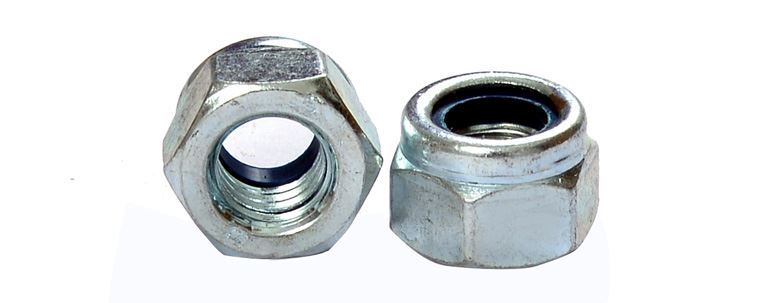
Understanding Nuts
A nut is a type of fastener with an internal thread designed to pair with a bolt or threaded rod. Together, they create a strong joint that can handle tension, vibration, and heavy loads. Nuts come in various shapes, materials, and thread patterns to meet different performance needs. They are essential in situations where parts need to be tightly secured yet remain serviceable for maintenance or replacement.
Common Types of Nuts
Many industries use specialized nuts depending on the application. Some popular types include:
- Hex Nuts – The most common type, featuring six sides for easy tightening and loosening.
- Lock Nuts – Designed to resist loosening from vibration or movement.
- Flange Nuts – Built with a wide base to distribute pressure evenly.
- Wing Nuts – Feature wing-like projections for hand tightening without tools.
- Square Nuts – Used for heavy-duty connections and rustic applications.
Each type offers unique advantages, helping engineers choose the right fit for their project.
Materials Used in Nut Manufacturing
Nuts are made from a variety of materials to withstand different environments and stress levels:
- Carbon Steel: Ideal for general-purpose use.
- Stainless Steel: Provides excellent corrosion resistance for outdoor and marine conditions.
- Alloy Steel: Offers superior strength and durability for demanding mechanical applications.
- Brass: Great for electrical conductivity and aesthetic finishing.
- Nylon or Plastic: Used in lightweight and corrosion-free applications.
The choice of material directly impacts the nut’s strength, performance, and lifespan.
Applications of Nuts
Nuts are used across a wide range of industries because they provide strong and reliable fastening for different types of assemblies. They are essential in construction for securing structural joints and metal frameworks, widely used in the automotive sector for engines, suspension, and body components, and play a major role in manufacturing for assembling machinery and equipment. Nuts also support electrical installations, furniture fittings, fabrication work, and large-scale industries such as railways, shipbuilding, oil & gas, and power plants. Their versatility and strength make them a key component in both heavy-duty and everyday applications.
Why Choosing the Right Nut Matters
Choosing the right nut is important because it ensures a secure and long-lasting connection in any assembly. The correct nut provides better strength, prevents loosening under vibration, and supports the required load without failure. It also improves safety, reduces maintenance needs, and increases the overall durability of the structure or equipment. When the right material, size, and grade are selected, the fastening system performs more efficiently and remains reliable over time, which is why selecting the appropriate option from a trusted Nuts Supplier in India becomes essential.
Industry Standards for Nuts
Nuts are manufactured according to global standards such as ASTM, DIN, and ISO, ensuring compatibility, strength, and reliability. These standards define thread accuracy, hardness, corrosion resistance, and performance under load. Following such standards helps maintain uniformity and safety across various engineering applications.
Conclusion
Nuts may be small, but they play a major role in the stability and safety of mechanical and structural systems worldwide. From large construction projects to delicate machinery, nuts ensure strong, dependable, and serviceable joints. With increasing demand for precision fasteners, the industry continues to evolve through advanced materials, better manufacturing processes, and strict global standards. Choosing high-quality nuts ensures long-term performance and reliability in every application.